repskicks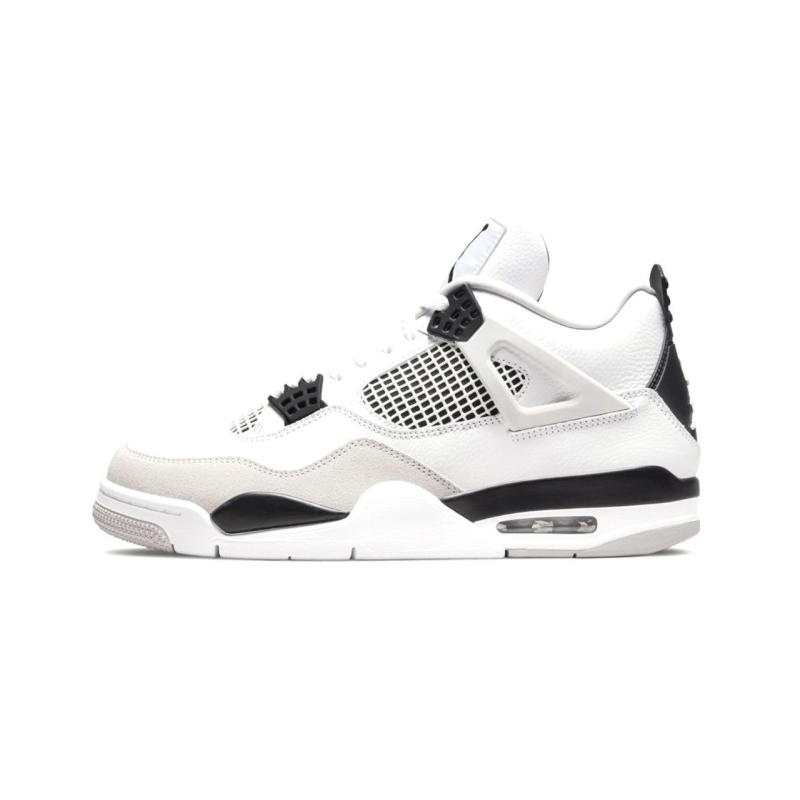
The world of replica sneakers, particularly for iconic models like jordan reps, is a complex landscape where detail is paramount. For companies like repkicks, the choice of materials is the most critical battlefield in their quest to create products that visually and tactilely mirror their authentic counterparts. The goal is not merely to look the part from a distance but to feel and perform in a manner that convinces the discerning enthusiast. Understanding the materials commonly used provides insight into the craftsmanship, limitations, and appeal of these replicas.
When discussing jordan reps from sources like repkicks, it’s essential to frame the conversation around emulation. These manufacturers are not inventing new textiles or polymers; they are reverse-engineering the material palette of legendary sneakers. The journey begins with the upper, the most visible and felt component. Here, the pursuit of accuracy drives the selection. For classic models like the Air Jordan 1, 3, or 4, the correct grade of leather is non-negotiable. High-tier repkicks products often use real leather, but the focus is on matching the grain, thickness, and tumbling of the original. A Jordan 3’s white cement grey elephant print, for instance, isn’t just a pattern—it’s a specific textured synthetic or polyurethane overlay that must have the precise pebbled look and flexible hand-feel. Suede and nubuck, as seen on models like the Jordan 4 ‘Military Blue’ or Jordan 3 ‘Fire Red,’ are particularly challenging. Top-tier replicas will use genuine, quality suede with a noticeable nap that changes color with a brush of the hand, just like the originals. Lower-quality versions may use synthetic suede or brushed materials that appear flat and lifeless.
Beyond the upper, the structural materials are equally vital for credibility. The midsole foam is a key differentiator. Authentic Jordans use formulated polyurethane (PU) or phylon (a type of foam) for cushioning and shape. Repkicks manufacturers strive to replicate the density and responsiveness. A common flaw in poor replicas is a midsole that is too hard, too soft, or discolors unnaturally (a phenomenon called “midsole cream”). The iconic Air Sole units, visible in models like the Jordan 5 or 6, are another focal point. In high-quality jordan reps, these are often genuine polyurethane bags filled with air or gas, designed to provide the correct silhouette and a semblance of cushioning. They aim to avoid the cloudy, misshapen, or overly prominent appearance found in cheaper fakes. For support features like the thermoplastic polyurethane (TPU) heel counters and eyelets on a Jordan 5, or the plastic lace locks on a Jordan 6, the correct translucency, flexibility, and color tint are meticulously studied. Getting this plastic component wrong—making it too opaque, too blue, or too brittle—is an instant tell for experts.
The devil, as they say, is in the details, and this is profoundly true for the ancillary materials. Laces must have the correct thickness, waxiness, and tip aglet quality. Insoles are often made from ortholite or similar foam for comfort, though they may not feature the exact proprietary branding or technology. The interior lining, usually a soft mesh or textured fabric, is chosen for breathability and fit. Even the glue used in construction is a factor; inferior adhesives can lead to premature separation or emit a strong, unpleasant chemical odor—a notorious red flag often absent from the best replica batches.
However, it is crucial to address the fundamental distinction: material sourcing. While a high-end replica from a dedicated repkicks seller might use similar or even identical base materials (e.g., cowhide leather, polyurethane), they are almost never sourced from Nike’s official, contracted suppliers. Nike employs custom-developed, often patented material blends—specific rubber compounds for outsoles that balance grip and durability, proprietary foam formulations for midsoles with tuned energy return, and branded textiles like Flightwire or engineered mesh. These are the results of significant R&D investment and are tightly controlled within their supply chain. Replica makers, operating without access to these blueprints or contracts, must find commercially available equivalents that match the visual and functional profile as closely as possible. This is the eternal chase: approximating a proprietary standard with open-market materials.
In conclusion, the materials commonly used in RepKicks sneakers represent a dedicated effort in mimicry across leathers, synthetics, foams, plastics, and textiles. The highest quality jordan reps showcase an impressive, sometimes startling, level of accuracy in material choice, focusing on the correct type of leather, the authentic suede nap, the proper midsole density, and accurate plastic hues. This material fidelity is what separates “top-tier” replicas from low-quality fakes in the eyes of collectors. Yet, the gap, however narrow it may appear, will always exist in the realm of proprietary formulations and official, quality-controlled sourcing. For the consumer, understanding these materials offers a lens through which to evaluate the replica’s quality, set realistic expectations about performance and longevity, and appreciate the intricate, if ethically and legally contentious, industry built around satisfying the demand for iconic sneaker silhouettes.
Maybe you like:
repkicks
best replica shoes website
fake ultra boost
air force 1 rep
jordan reps
balenciaga reps
jordan 4 rep
balenciaga tracks rep
dior b23 reps
off-white reps
cheap reps under $50
jordan 4 reps cheap
fake cheap shoes